- Working Hours: 10:00 - 18:00

Although it is a small country, the Netherlands is recognized as a global leader in agriculture. Thanks to modern technologies, sustainable production methods, and efficient agricultural policies, the Netherlands has become not only one of Europe’s but also the world’s top agricultural exporters. For this reason, it is often referred to as “Europe’s Vegetable Garden.”
Despite its limited land area, the Netherlands’ agricultural success is based on a scientific and planned approach. Fertile soil, a temperate climate, and advanced technological infrastructure allow for multiple harvests per year. Universities and research centers continuously develop new agricultural technologies and support producers.
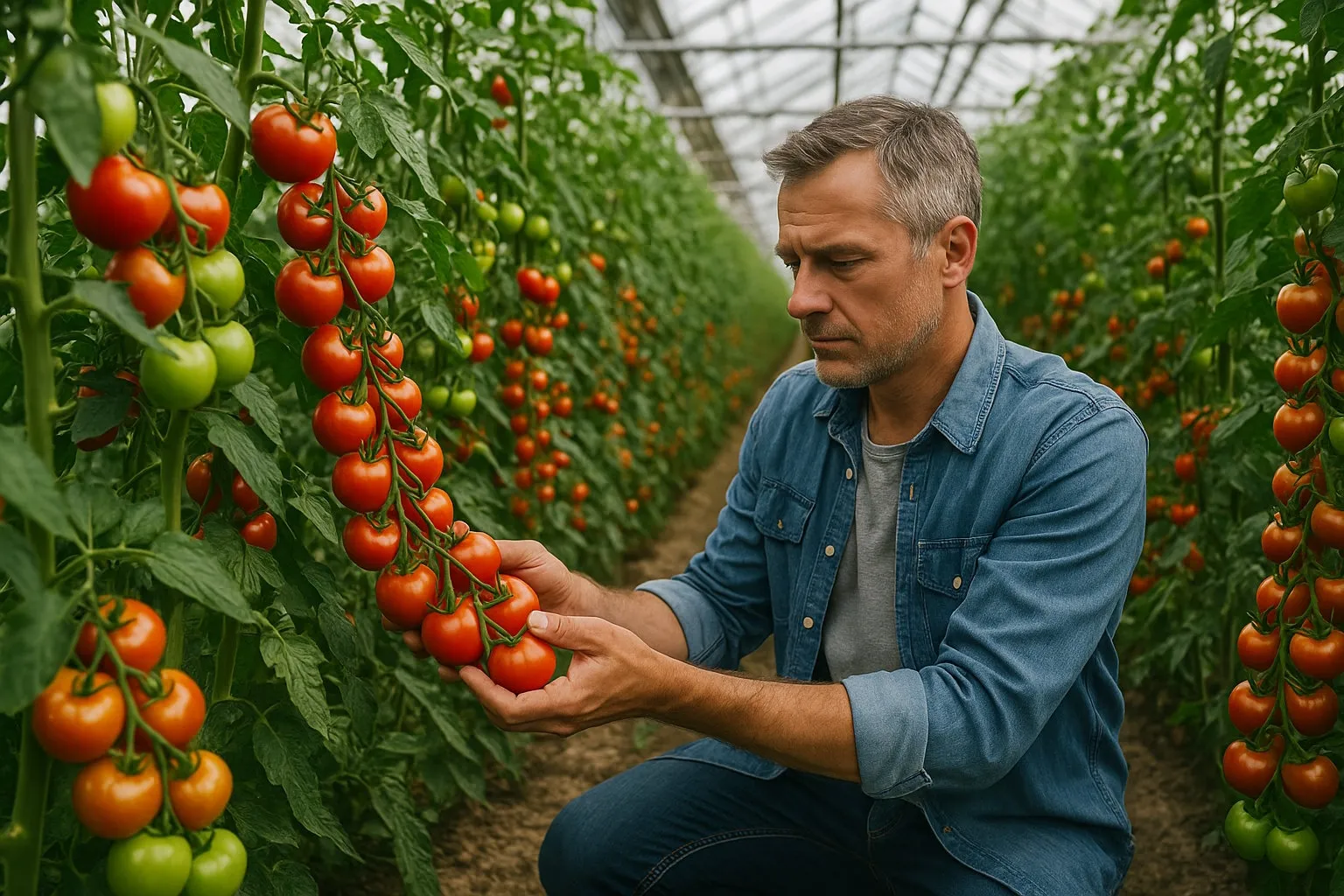
Agriculture in the Netherlands is driven by digital systems, sensors, climate-controlled greenhouses, and automation. These technologies boost productivity while minimizing water and energy usage. Especially in greenhouse farming, high-quality and high-yield crops are achieved.
Tomatoes, cucumbers, peppers, lettuce, strawberries, and ornamental flowers form the backbone of Dutch agriculture. Thanks to greenhouse systems, year-round production is possible, ensuring steady supply for both domestic and export markets.
The Netherlands is not only a top producer but also one of the best-connected suppliers in the world. Through major logistic hubs like the Port of Rotterdam and Schiphol Airport, Dutch agricultural goods can be shipped across Europe and beyond in a matter of hours. This makes the Netherlands a vital part of the global supply chain.
Due to the strength of its agricultural sector, the Netherlands needs thousands of seasonal workers each year. Especially in spring and summer, greenhouses recruit laborers for tasks like planting seedlings, harvesting fruits and vegetables, and packaging. Most positions do not require previous experience—hard work and physical stamina are the key.
Dutch agriculture is not only about the present; it is planned with the future in mind. Efforts are made to reduce carbon emissions, expand organic production, and implement nature-friendly practices. These goals make the Netherlands not only highly productive but also environmentally conscious.
With its systematic approach, technological strength, and export success, Dutch agriculture sets an example worldwide. Working in the “vegetable garden of Europe” is more than a job—it is an opportunity to be part of cutting-edge agriculture. For those who want to learn, earn, and work close to nature, the Netherlands is the ideal destination.
